
Faith: How Can We Trust God When We Cannot See the Outcome? | Proverbs 3:5-6
Key Scripture: Proverbs 3:5–6 Supporting Scriptures: Hebrews 11:1; 2 Corinthians 5:7; Romans 8:24–25; Psalm 37:3–5; Isaiah 55:8–9; James 1:5–6; Philippians 4:6–7; Romans 10:17.
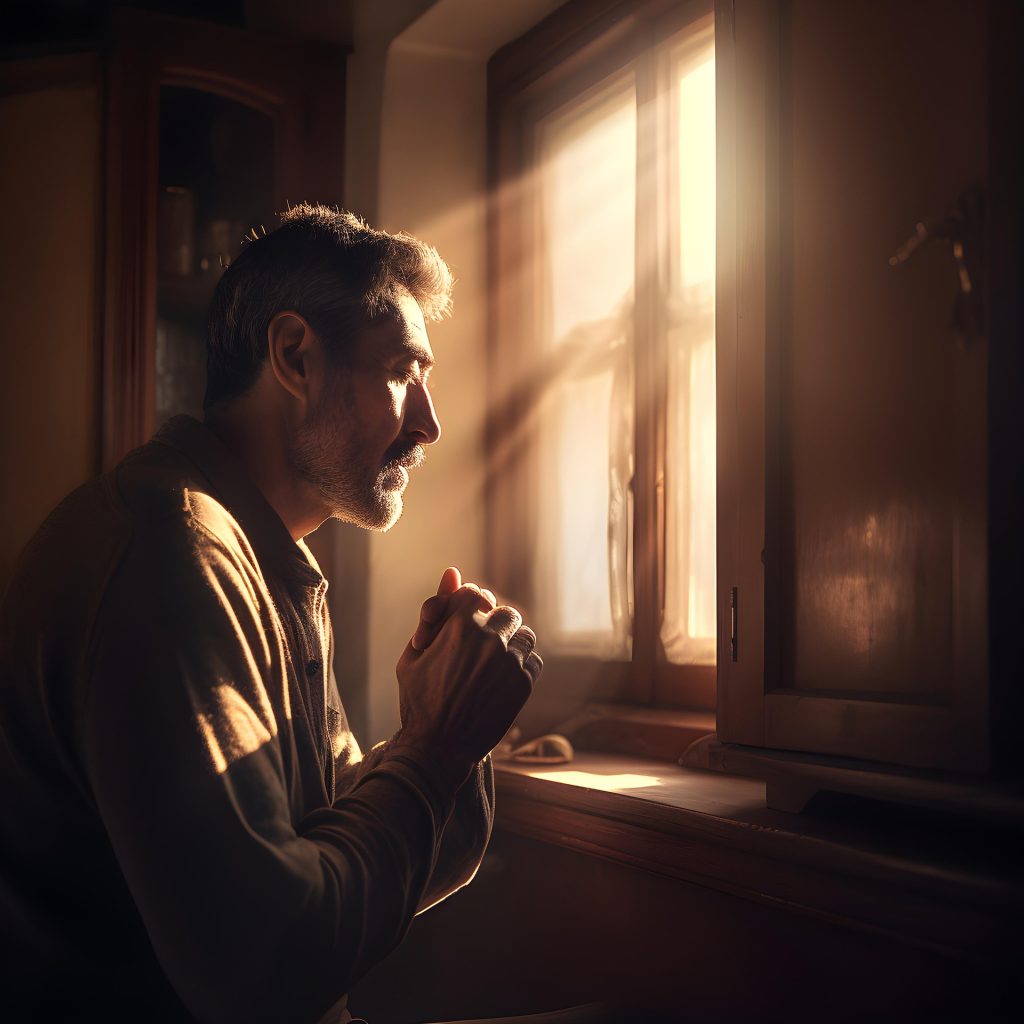
There are seasons in life when we simply cannot see what comes next. We pray, we believe, and we search God’s Word, yet the answer has not appeared. The circumstances may not have changed, and we may have no idea how God is going to work things out.
These are the moments when faith becomes more than something we talk about. Faith becomes the way we live.
Trust in the LORD with all your heart, and lean not on your own understanding; in all your ways acknowledge Him, and He will make your paths straight.
Proverbs 3:5–6
Trusting God does not mean we understand everything He is doing. It means we choose to rely on His character, His wisdom, and His Word, even when we cannot see the outcome. That is why the first step in trusting God is learning that faith does not require us to see the answer before we obey Him
1. Faith Does Not Require Us to See the Answer or Outcome First
Faith concerns what we hope for, although, we do not yet see it.
Now faith is the substance of things hoped for, the evidence of things not seen.
Hebrews 11:1
This can be difficult because we naturally want evidence before we move forward. We want to know how the situation will work out before we feel comfortable trusting God with it.
But biblical faith reverses that order.
We don’t say, “God, show me everything first, and then I will trust You.”
Instead, faith says:
“God, I trust You because You are faithful—even though I cannot yet see what You are doing.”
2 Corinthians 5:7 summarizes it simply:
“For we walk by faith, not by sight.”
Walking by faith means that what we see with our natural eyes does not have the final authority over what we believe. Walking by faith means our circumstances do not have the final authority over what we believe. What we see is real, but God’s Word is greater.
Throughout the Bible, men and women of God faced situations in which they could not see everything that was ahead of them. They did not possess all the answers. They had to make a choice: would they trust what they could see, or would they trust God?
David gives us a picture of what this kind of faith looks like in real life.
David Faced a Giant Without Knowing the Outcome
One of the clearest examples is young David standing before Goliath. When David arrived at the Israelite camp, he found an entire army intimidated by one Philistine warrior. Goliath was experienced, heavily armed, physically imposing, and confident in his own strength.
David was young. He was not an experienced soldier. He did not have Saul’s armor or the weapons normally used in battle. From a human point of view, David appeared to be completely outmatched.
Yet David remembered something the others seemed to have forgotten: the battle was not ultimately about the size of Goliath. It was about the greatness of God. David told Saul that God had delivered him from the lion and the bear, and he trusted that God would deliver him again.
Then David approached Goliath and declared:
“The battle is the LORD’s.”
— 1 Samuel 17:47
David’s story shows that faith begins before the outcome is visible, but it also shows why faith is possible: David trusted the character of the God he already knew.
David picked up five smooth stones, took his sling in his hand, and walked toward the giant. That is faith. Faith is not pretending the giant is small. Faith looks at the giant honestly and still says, “My God is greater.”
David’s confidence was not in his sling. It was not in his own strength. His confidence was in God. And sometimes that is exactly where we find ourselves.
We may be looking at a giant called illness, financial difficulty, family trouble, uncertainty, disappointment, loneliness, fear, or an unknown future. We may not know how the story is going to end. But like David, we can know who goes with us into the battle.
David’s story shows that faith begins before the outcome is visible, but it also shows why faith is possible: David trusted the character of the God he already knew.
Because God’s character is trustworthy, we can release what we cannot control and place the outcome in His hands.
2. Faith Trusts God’s Character Even When We Don’t Understand His Plan
One of the most important lessons we can learn is the difference between understanding God and trusting God.
Proverbs 3:5 specifically tells us not to lean on our own understanding. There will be situations we cannot explain. There will be prayers whose answers seem delayed. There may even be times when God’s direction seems different from what we expected.
Isaiah 55:8–9 reminds us that God’s thoughts and ways are higher than ours. Our understanding is limited to what we can see right now. God sees the beginning, the present, and the end.
Therefore, when we cannot understand God’s plan, we can still trust God’s character.
- God is faithful.
- God is good.
- God is wise.
- God keeps His Word.
- God keeps His covenants.
- God cannot lie.
Our confidence rests in who God is, not in our ability to predict what He will do next.
Because God’s character is trustworthy, we can release what we cannot control and place the outcome in His hands.
3. Faith Gives the Outcome to God
Psalm 37:5 gives us another important instruction:
“Commit your way to the LORD; trust in Him, and He will do it.”
Sometimes we say that we have given something to God while continuing to carry the entire burden ourselves. We pray about it—and then spend the rest of the day worrying about it.
Faith requires surrender. We can bring our desires, plans, fears, questions, and needs before God. But eventually we must place the outcome into His hands.
That does not mean becoming passive. We continue doing whatever God has given us to do. But we stop trying to control what belongs to God. Our responsibility is obedience. The outcome belongs to God.
Shadrach, Meshach, and Abednego Trusted God Without Demanding a Particular Outcome
Perhaps one of the strongest examples of faith without knowing the outcome is found in Daniel 3. King Nebuchadnezzar commanded Shadrach, Meshach, and Abednego to worship the golden image or be thrown into a blazing furnace. Their answer is one of the greatest declarations of faith in Scripture. They told the king that their God was able to deliver them.
But then they added: “But even if He does not…”
They still would not bow. What extraordinary faith. They knew God was able to rescue them. But their faith in God was not dependent upon God doing exactly what they wanted.
Their attitude was essentially: God can deliver us. We believe in His power. But even if the outcome is different from what we hope, He is still our God, and we will still trust Him. That is mature faith.
Faith does not say: “God must do this my way.” Faith says: “God is able, God is faithful, and I will trust Him with the outcome.”
Once we surrender the outcome to God, the next question is what we do with the fear that still rises in our hearts. Scripture points us back to prayer.
4. Faith Prays Instead of Feeding Fear
Uncertainty often creates fear because our minds begin imagining everything that could go wrong. Instead of being consumed by anxiety, we are instructed to bring everything to God through prayer and thanksgiving.
Be careful for nothing; but in every thing by prayer and supplication with thanksgiving let your requests be made known unto God. And the peace of God, which passeth all understanding, shall keep your hearts and minds through Christ Jesus.
Philippians 4:6–7 KJV
Prayer shifts our attention from the problem to God’s power, love, and strength. Instead of continually rehearsing the problem, we begin focusing on the One who is greater than the problem. Prayer may not change our circumstances right away, but it changes what happens inside us as we wait. God’s peace can guard our hearts and minds even before the answer comes.
Prayer helps us release fear to God, and His Word helps us keep feeding the faith that prayer awakens in us.
5. Faith Keeps Feeding on God’s Word
Faith is strengthened as we continually hear, receive, and return to God’s Word.
So then faith cometh by hearing, and hearing by the word of God.
Romans 10:17
That means we should be careful about what receives most of our attention during uncertain seasons. If we continually feed ourselves fear, bad reports, negative possibilities, and discouragement, those voices can become louder than our faith.
Instead, return continually to Scripture. Read God’s promises. Listen to His Word. Speak and declare God’s Word. Meditate on His faithfulness. The situation may not change immediately, but your faith is being strengthened while you wait.
Prayer helps us release fear to God, and His Word helps us keep feeding the faith that prayer awakens in us.
As God’s Word strengthens our faith, it also shapes our thinking so we can ask for wisdom with a heart that is ready to obey.
6. Faith Asks God for Wisdom for the Next Step
Trusting God does not mean that we never make decisions.
When we lack wisdom, we should ask God.
But if any of you lacks wisdom, let him ask of God, who gives to all generously and without reproach, and it will be given to him.
James 1:5 NASB
Often, we want God to show us the entire journey, but He gives us enough light for the next step. You may not know what will happen six months from now. You may not even know exactly what will happen next week.
But you can ask: “Lord, what would You have me do today?”
Then obey what God has already made clear. Faithfulness in today’s step prepares us for tomorrow’s direction.
After we ask God for wisdom and obey the next step He gives us, faith also teaches us how to wait while He continues working.
7. Faith Waits with Expectation
Waiting is not the absence of faith. Sometimes waiting is an expression of faith.
Hope helps us wait patiently for what we cannot yet see. There is a difference between waiting hopelessly and waiting with expectation.
For in hope we have been saved, but hope that is seen is not hope; for who hopes for what he already sees? But if we hope for what we do not see, through perseverance we wait eagerly for it.
Romans 8:24–25
Hopeless waiting says: “Nothing is happening.”
Faith-filled waiting says: “I may not see what God is doing yet, but I believe He is still at work.”
God’s silence does not mean God’s absence. A delayed answer does not mean God has forgotten you. Continue praying. Continue believing. Continue obeying. Continue standing on His Word.
All of these truths bring us back to the question we began with: how do we trust God when we cannot see the outcome?
Maybe today you are standing somewhere between the promise and the answer. Maybe you are facing your own Goliath. Maybe you know you must take a step without knowing exactly what will happen.
Or perhaps your prayer has become like that of the three Hebrew men:
“God, I know You are able. But even if things do not happen the way I hope, I will still trust You.” That is faith.
You do not have to know tomorrow’s outcome to trust the God who is already there. You do not have to understand the entire journey to take today’s step. And you do not have to be stronger than the giant, because God is stronger than the giant.
Faith Looks Like Taking One Small Step
David picked up a stone. Abraham started walking. Peter stepped out of a boat. Esther walked into the king’s presence. Each act may have looked different, but underneath each one was the same decision: I will trust God enough to take the next step.
Your next step may not look dramatic. Your next step might simply mean:
- Praying again.
- Getting up and facing another day.
- Making the phone call.
- Beginning something God has placed on your heart.
- Waiting when you would rather rush.
- Obeying when you do not completely understand.
- Forgiving someone.
- Continuing when you are tired.
- Refusing to give up simply because you cannot yet see the answer.
Faith is often lived one ordinary step at a time.
Prayer
Father, help me trust You when I cannot see what lies ahead. Forgive me for the times I have leaned on my own understanding instead of relying upon You. Teach me to surrender the outcome, follow Your Word, and obey the direction You give me today. Strengthen my faith while I wait. Guard my heart with Your peace and help me remember that You are faithful even when I cannot see what You are doing. In Jesus’ name, amen.